All Categories
Featured

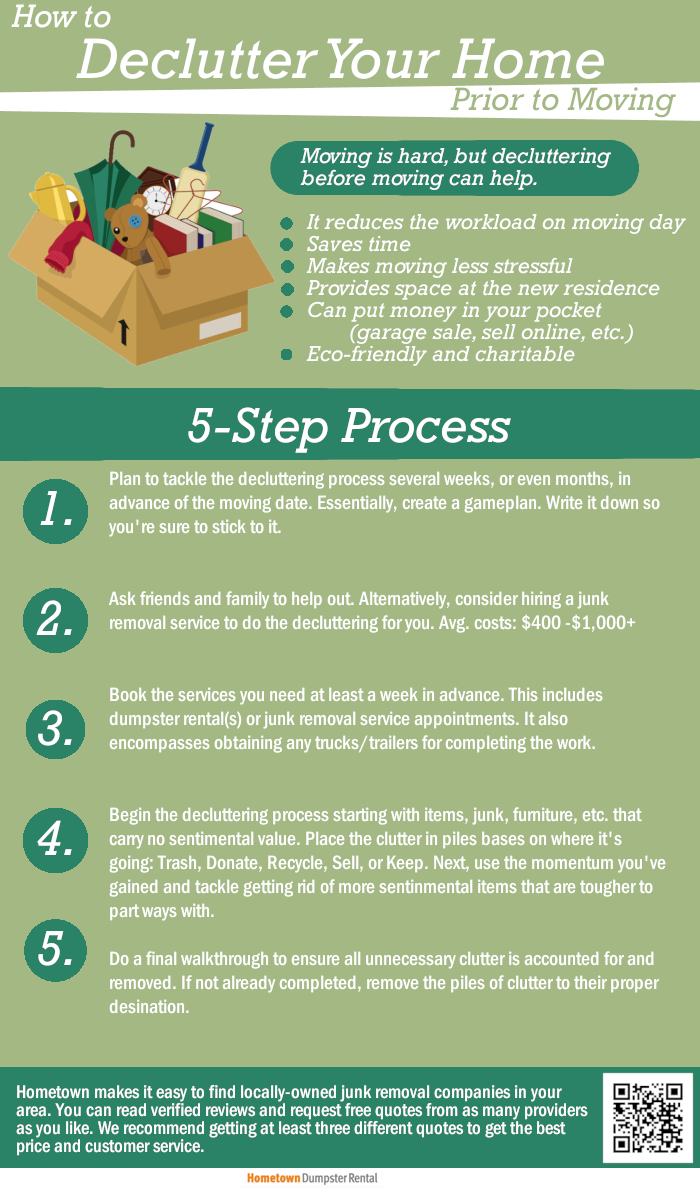
Steps to Create Your Perfect Interior for 2026
Pull everything outtables, hooks, cubbies, baskets, and shoe racksand lay everything out so you can see what you have. Then edit with intent. Modify outerwear, shoes, and bags. Keep only what remains in season and worn most days of the week. Store off-season products somewhere else. Toss the unnecessary. Single gloves, replicate water bottles, broken umbrellas, outgrown sports gearlet them go.
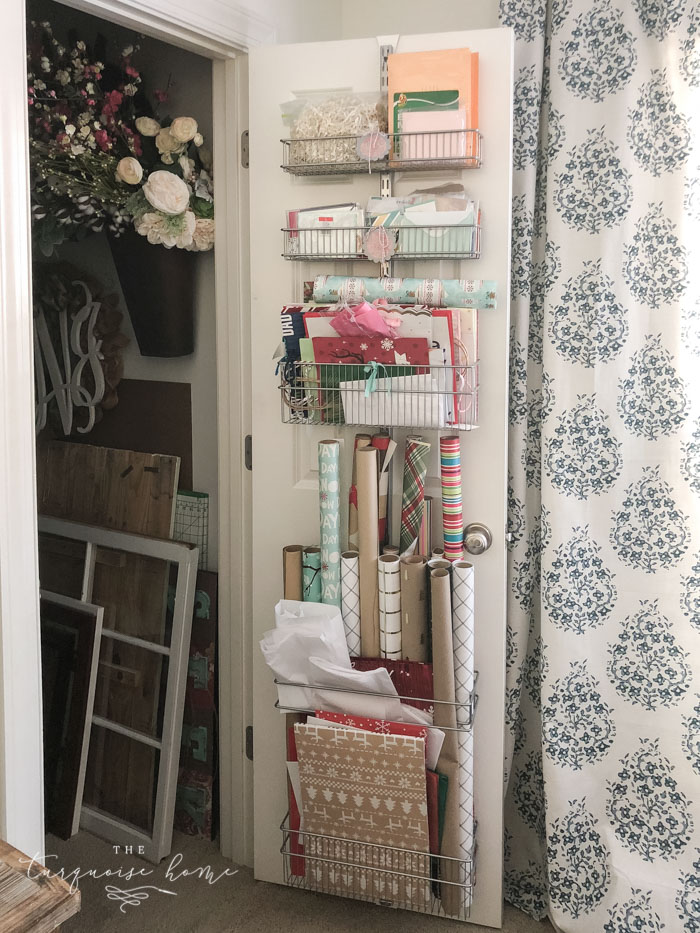
As soon as you've pared things back, think about how you use this area and organize for ease. Keep shared items like umbrellas, sun block, and pet leashes in labeled bins or baskets.
A small tray or wall-mounted hook keeps these from going missing out on. Easy practices and clear limitations are what keep your entryway organized long after the very first declutter.
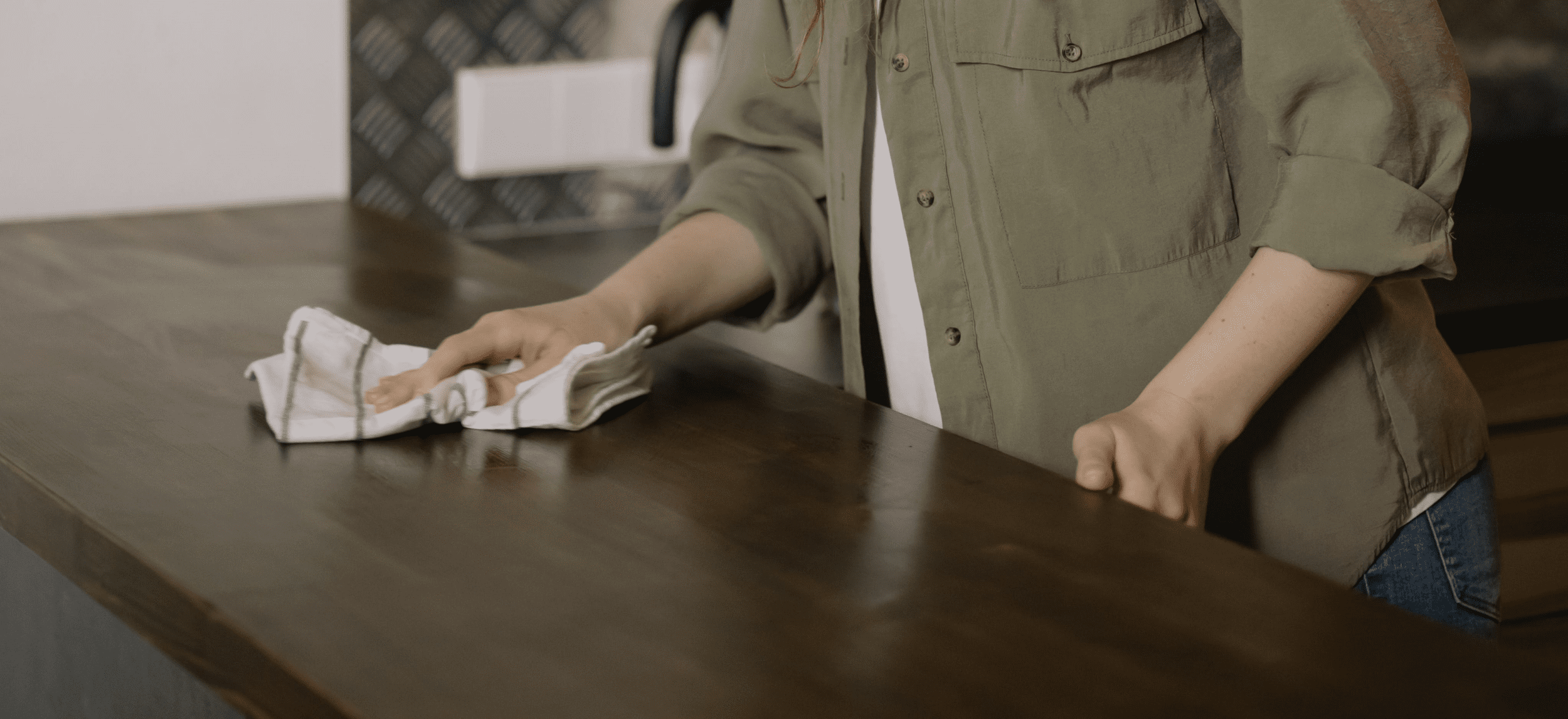
Every couple of days, line up the shoes, clear out mail, and return additionals to where they belong. Use seasonal modifications as your cue for a bigger resetswap coats, shoes, and devices. Everyone is accountable for their own basket or hook. The simpler the system, the simpler it is to preserve.
One per household member for in-season accessories (hats, sunglasses, gloves, mittens in winter season). One for adults and one for kids. If your restroom constantly feels messy, it's probably because it has lots of tiny products that multiply fast. Ended items, half-used bottles, and a lot of "simply in case" backups can make mornings feel chaotic.
Elite Moving Logistics for 2026
Working by category (not by cabinet) keeps the task fast and focused. Tackle one classification at a time.
Oral care Skin care and makeup Hair items and tools Antiperspirant and fragrance Medicine cabinet (medications and emergency treatment) Shower and bath toiletries Shaving and grooming tools Travel-size items Cleaning products When you've pared back, organize in a method that supports how you actually use the area. Keep deodorant, lotion, sun block, and makeup together in a small bin or tray so whatever you require to prepare yourself is within reach.
How to Manage Complex Relocation LogisticsKeep them clear whenever possibleit makes cleaning much easier (and cuts down on toothpaste splatter). Designate one small area for additionals and restock only when something runs low.
Keep everyday items tidy and simple to get. We maximize our drawer area to keep counters as clear as possible for easy cleaning.
When your kitchen area is clear, practical, and organized, cooking feels simpler, clean-up goes quicker, and your entire home runs more smoothly. The quick decluter introduction is listed below. If you desire a deeper walkthrough, I've shared a complete guide on how to declutter your cooking area, total with a cooking area declutter list.
Navigating Expert Relocation Services in 2026
A few little edits will release up space quick. Declutter by category (pots, dishes, utensils, servingware, and so on) to break the task up and make it easier to identify duplicates.
Combine duplicates, toss expired foods, and make a plan to utilize up products that sounded great but have been sitting on your shelves a while. Keep only what you utilize to clean this space; relocation additionals somewhere else.
If you do not utilize it at least 5 days a week, it does not make a long-term area on the counter. Shop treats, baking materials, and oils together. Use bins, baskets, or turntables to keep smaller items noticeable and easy to get. The less chaotic your counters, drawers, and cabinets, the much easier it is to prepare, tidy, and put things away.
When a drawer or shelf is complete, pause purchasing and utilize up what you have. Offer the fridge a quick wipe-down before restocking.

Latest Posts
Advanced Relocation Tactics for Success
Optimizing Your Moving Logistics in 2026

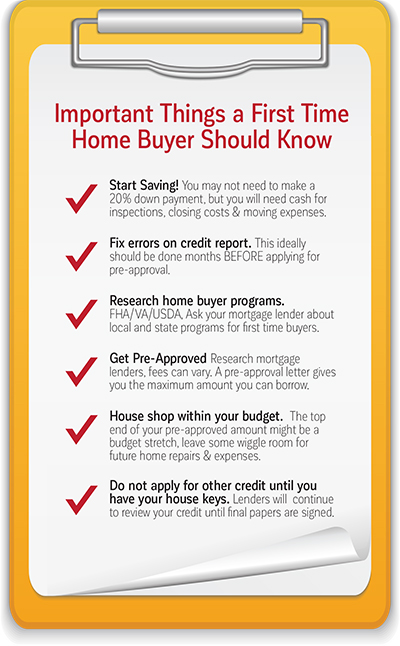
Smart Tips to Ready a Property for Sale