All Categories
Featured


Professional Moving Vs DIY Logistics
Let's work through an example with $7,000 month-to-month gross earnings: Optimum real estate payment (28 percent): $1,960 Maximum total financial obligation payments (36 percent): $2,520 If you have $400 in existing debt, you have $2,120 offered for housingSubtract approximated residential or commercial property taxes ($300), insurance ($150), PMI if applicable ($125)Staying for principal and interest: $1,545 At December 2025's rate of 6.22 percent for a 30-year set home mortgage, that $1,545 monthly payment supports a loan quantity of around $260,000.
They 'd computed their home loan payment exactly, factored in home taxes and insurance, and felt confident. Then the expenses began arriving. Homeowners association charges: $295 month-to-month (not consisted of in their original budget plan)Yard care and landscaping: $150 regular monthly (they 'd never trimmed a yard before)Greater energies than their old apartment: $220 month-to-month extraImmediate repair work the inspection didn't capture: $3,800 in the first 3 monthsFurniture and window treatments for a larger area: $8,500 That's $665 in extra monthly costs they had not totally planned for, plus almost $12,000 in one-time expenses.
According to the U.S. Energy Details Administration, average regular monthly energy expenses break down as: Electricity: $110 to $145 monthlyNatural gas: $65 to $95 monthlyWater and sewage system: $70 to $100 monthlyTrash collection: $25 to $40 monthlyInternet and cable television: $80 to $120 monthlyTotal approximated utilities: $350 to $500 month-to-month, depending upon home size, age, and area.
Home taxes deserve special attention due to the fact that they differ hugely throughout the country. According to the Tax Structure, reliable real estate tax rates vary from: New Jersey: 2.47 percent of home worth annuallyOn that $350,000 home we talked about: In New Jersey: $8,645 annually ($720 regular monthly)In Texas: $6,090 each year ($507 regular monthly)In California: $2,590 every year ($216 monthly)That's a $504 month-to-month distinction between New Jersey and California on similar home worths.
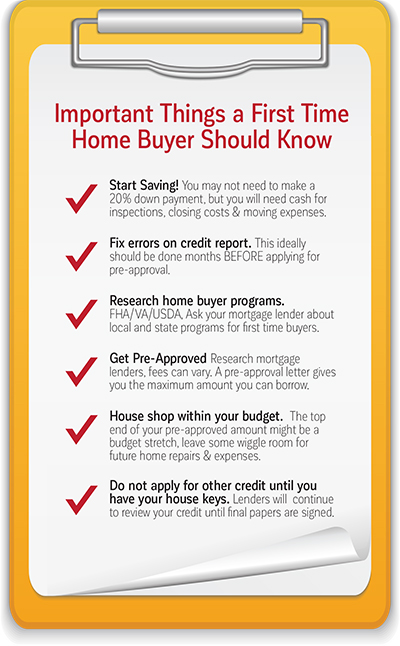
The deposit is one of the biggest problems for individuals who desire to buy a home, and it's gotten even worse in the last couple of years. NAR's information from 2025 programs that novice buyers made an average deposit of 10%, which is the greatest level considering that 1989. Let me streamline this for you: you have several deposit alternatives depending upon which loan program you choose: Traditional loans: 3 to 5 percent minimum, though 20 percent avoids personal home mortgage insuranceFHA loans: 3.5 percent minimum with 580+ credit history, 10 percent with 500-579 credit scoreVA loans: 0 percent deposit for qualified veterans and active militaryUSDA loans: 0 percent deposit for qualified rural and rural propertiesIf you can collect a 20 percent deposit, you open a number of benefits: No private home mortgage insurance coverage (PMI), conserving $100 to $200+ monthlyLower rates of interest, generally 0.25 to 0.50 percent listed below smaller sized down paymentsSmaller loan quantity indicates lower month-to-month paymentsStronger negotiating position with sellersMore equity security if market worths declineOn a $350,000 home with 20 percent down: Regular monthly principal and interest at 6.22 percent: $1,721 Overall regular monthly payment with taxes and insurance coverage: $2,321 Compare that to 5 percent down on the same home: Monthly principal and interest: $2,045 PMI: $138 regular monthly (approximately 0.5 percent every year)Total monthly payment with taxes and insurance coverage: $2,733 The 20 percent down payment conserves you $412 month-to-month, or $4,944 each year.
Simple Decluttering Tips for Sellers
Conserving that extra $52,500 might take you another 3 to 4 years, during which time home costs might appreciate significantly and interest rates might rise. This is the issue that buyers constantly have: should they save more and wait, or purchase faster with a smaller down payment and greater monthly payments? There is nobody right answer; everything depends on just how much your market appreciates, what direction interest rates are going, and your own financial scenario.

These programs usually offer: Grants that never need payment (frequently income-capped at $85,000 to $95,000)Low-interest second mortgages with deferred payment till you sell or refinanceMatched savings programs that multiply your contributionsTax credits that lower your yearly tax problem by $2,000 to $3,000 The U.S. Department of Housing and Urban Advancement partners with state and local housing financing companies to administer numerous of these programs.
A lot of programs require you to: Complete a home purchaser education course (normally 6 to 8 hours, frequently available online)Purchase within specific geographical areasMeet earnings limitations (frequently 80 to 120 percent of location median income)Utilize the home as your primary residence for 3 to 5 yearsCommit to specific loan types (typically FHA or conventional)To discover programs in your location, check out and search by postal code, or call your state housing financing company directly.

Latest Posts
Advanced Relocation Tactics for Success

Optimizing Your Moving Logistics in 2026

Smart Tips to Ready a Property for Sale