All Categories
Featured

Navigating Professional Relocation Logistics for 2026
Table of Contents
When a basket is almost complete, that's my cue to run a load. We keep 2 sheet sets per bed and 2 towel sets per individual. Our backups function as guest towels when we have visitors. On the unusual event we have a really complete home, we can obtain from friends or neighbors.
I do my finest to keep the laundry room counters and the sink clear so they're always all set for folding or spot-treating. Otherwise, those little jobs get put off and develop more work for future me.
A messy work space doesn't just make work feel harder; it drains your focus, energy, and productivity. Simplifying your papers and workplace will make you more efficient, and your work will feel lighter and easier to manage. Begin where you can see progress quicklythe top of your desk, your command center, or the paper piles that drive you most crazy.
Why Expert Relocation Services Matter for 2026
Keep just a handful of pens or pencils and a couple of of your go-to workplace basics handy. Shop the extras in other places so they don't clutter your desk or drawers. Develop basic categories: to file, to do, follow-up, to shred. Toss things that can be recycled, like old receipts, catalogs, direction handbooks, and previous costs.
Designate one area for incoming mail or school documents to avoid stacks from dispersing. Utilize a small tray or vertical file for current tasks or expenses due quickly.
Advanced Relocation Tactics for SuccessUse drawer organizers to consist of the office products you regularly use and keep extras somewhere else. Paper will always be a possible source of mess, but a couple of easy systems and routines can keep it from taking over once again. Spend 1015 minutes arranging mail, filing what's required, and recycling the rest.
Preparing a House Market-Ready to Sell in 2026
A "follow-up" folder can also be helpful for items you're waiting on after you've taken preliminary action. Select digital billing and declarations to minimize incoming mess. When a file, drawer, or bin is almost complete, you most likely do not require more paper storage, simply a good declutter. All inbound documents arrive at the kitchen island, and we process them before the end of the day.
They fill with outgrown equipment, old furnishings, abandoned jobs, and boxes of sentimental items you have not opened in years. Eventually, you can't park the automobile or find what you're searching for, and the weight of all of it begins to feel, well, heavy. Clearing these spaces will provide you back both physical and psychological area.
Getting rid of the huge things (old sporting equipment, additional furnishings, child gear, etc) quickly makes the area feel lighter. Break big areas into smaller zones and take on one at a time.
Advanced Relocation Tactics for SuccessEssential Decluttering Steps to Prep Your Home
It'll be easier to make choices when whatever's exposed. If you have not used it in the past year or even forgot it was there, you most likely do not need it. These take the most psychological energy. If you don't understand where to begin, begin with my guide on how to declutter nostalgic items and consider asking a friend, relative, or expert organizer for assistance.
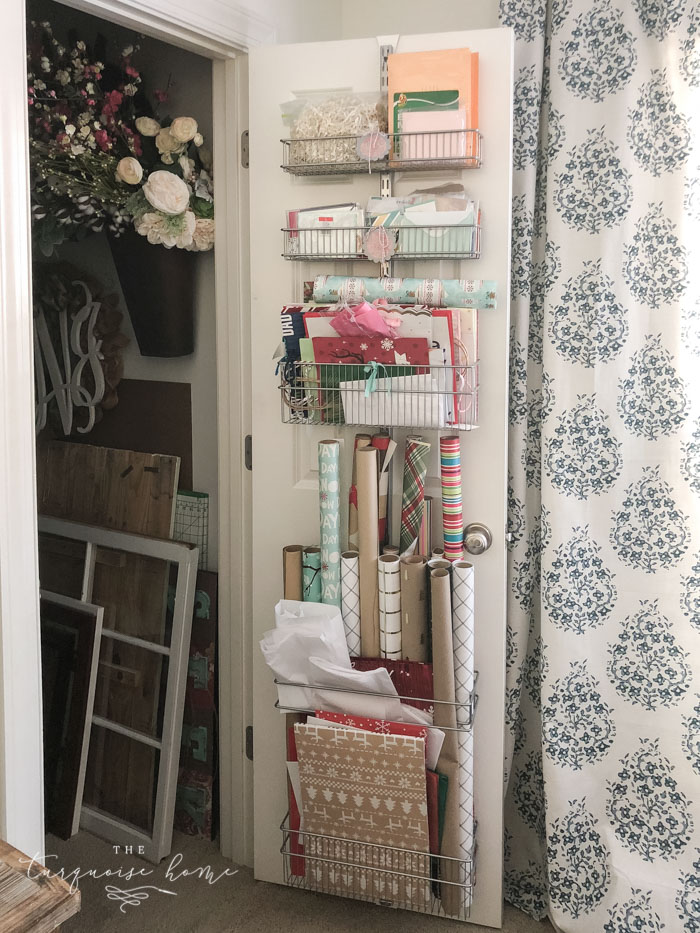
Keep products off the flooring and label whatever plainly. Clear bins make it easy to see what you have at a look. Shop products by utilize or season (camping gear, home improvement tools, sports equipment, vacation design, etc) Pegboards, hooks, and wall-mounted shelving take full advantage of area and make things easier both to see and get.
They fill with outgrown equipment, old furnishings, deserted jobs, and boxes of emotional products you have not opened in years. Ultimately, you can't park the cars and truck or discover what you're searching for, and the weight of everything begins to feel, well, heavy. Clearing these spaces will provide you back both physical and mental space.
How to Organize the Home Before Moving
Getting rid of the big things (old sporting devices, additional furniture, baby equipment, etc) immediately makes the space feel lighter. Break big areas into smaller sized zones and deal with one at a time.
It'll be simpler to make choices as soon as everything's exposed. If you haven't utilized it in the past year and even forgot it was there, you most likely do not require it. These take the most psychological energy. If you do not know where to begin, start with my guide on how to declutter emotional products and think about asking a good friend, relative, or expert organizer for assistance.
Keep products off the flooring and label everything clearly. Clear bins make it easy to see what you have at a look. Store items by use or season (outdoor camping equipment, home enhancement tools, sports devices, vacation design, etc) Pegboards, hooks, and wall-mounted shelving optimize space and make things easier both to see and get.

Latest Posts
Advanced Relocation Tactics for Success
Optimizing Your Moving Logistics in 2026

Smart Tips to Ready a Property for Sale